
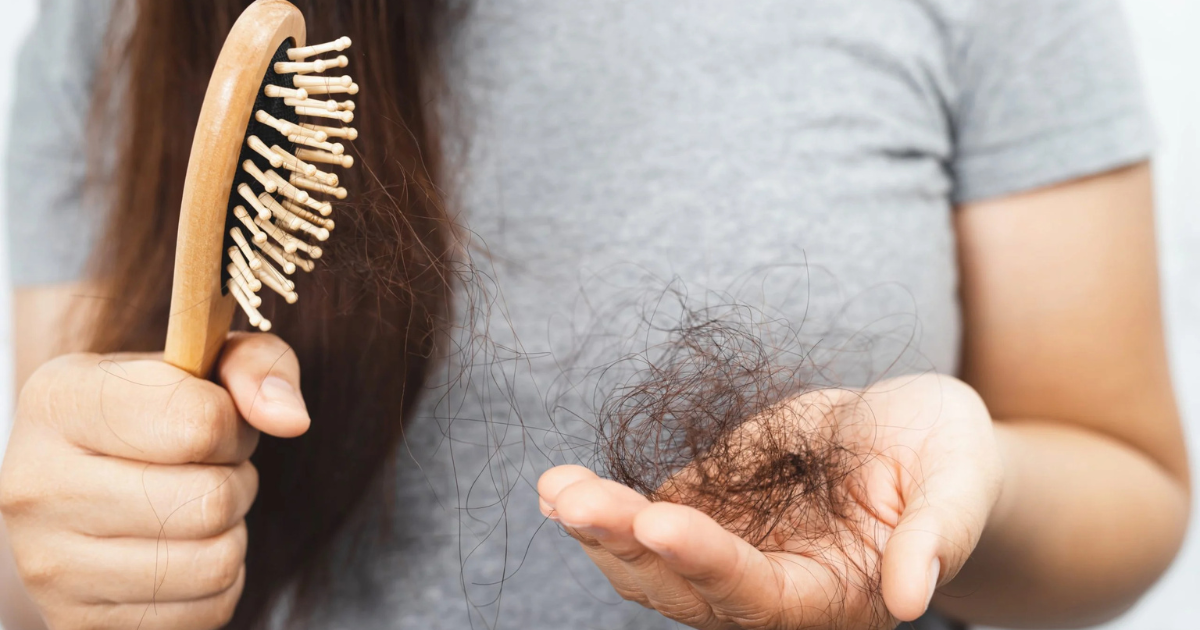
Hair loss is a common issue that impacts millions around the globe, and navigating the sea of advice can be quite daunting. With countless products, clinics, and online tips at your fingertips, it’s tough to discern which treatments are genuinely effective. Seeking reliable insights from medical professionals can shed light on the true causes of hair thinning, help you uncover safe hair regrowth treatments, and steer clear of misleading claims.
This guide will walk you through where to find trustworthy information on hair loss treatment, the most effective medical options available, and how to manage hair fall using natural methods. Whether you’re facing temporary shedding or dealing with long-term alopecia understanding your choices is the first step toward achieving healthier hair.
Overview
What Is Hair Loss?
Hair loss occurs when hair falls out more quickly than it can regrow. Some individuals may notice a gradual thinning, while others might experience sudden bald patches. Hair loss can affect various areas, including the scalp, beard, eyebrows, and other body parts.
Losing some hair every day is a natural part of the hair growth cycle, but noticeable or heavy shedding may be a sign of an underlying health or scalp condition.
Common factors contributing to hair fall include hormonal shifts, stress, genetics, nutritional deficiencies, and scalp infections.
Different Forms of Hair Loss You Should Know About
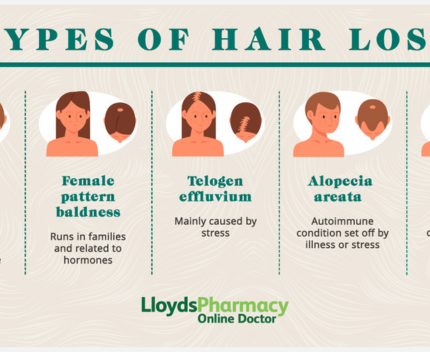
There are several types of alopecia. The most prevalent is androgenetic alopecia, often referred to as male or female pattern baldness. Some less common forms of hair loss include alopecia areata, which causes patchy bald spots, traction alopecia from tight hairstyles, and telogen effluvium that leads to temporary excessive shedding.
Each type presents unique symptoms and requires different treatment strategies. Understanding the specific type of hair loss is crucial for doctors to recommend the most effective solutions.
Symptoms and Causes
What Causes Hair Loss?
Hair loss may develop due to several different causes, including genetics, stress, hormonal changes, poor nutrition, and certain medical conditions.
Genetics plays a significant role, especially for those over 30, both men and women. Other contributors include hormonal imbalances, thyroid issues, poor nutrition, stress, and certain medications.
Frequent use of heat styling tools, harsh chemical treatments, and tight hairstyles can weaken hair strands and harm the scalp. In some instances, illnesses or autoimmune conditions can lead to sudden hair loss.
What Are the Symptoms of Hair Loss?
The symptoms can differ based on the underlying condition. Some individuals may notice their hair part getting wider, while others might see receding hairlines or bald patches. Finding more hair on pillows, brushes, or in the shower drain can also be an early warning sign.
Additionally, scalp itching, redness, or a burning sensation may accompany hair loss caused by infections or inflammation.
Dianosis and Tests
How Is Hair Loss Diagnosed?
Typically, doctors start with a physical examination of the scalp and ask about your medical history. Blood tests can help pinpoint vitamin deficiencies, hormonal imbalances, or thyroid disorders.
Dermatologists may also conduct scalp biopsies or pull tests to figure out the exact reason for hair shedding. Getting an accurate diagnosis is crucial since different conditions call for different treatments.
Management and Treatment
Medication
Several treatment options and medications can help manage hair loss and support healthy hair regrowth.
Topical minoxidil is widely used to stimulate hair follicles, improve scalp circulation, and support healthy hair regrowth.
Finasteride is another popular option for male pattern baldness.
Depending on the root cause, some doctors might prescribe corticosteroids, antifungal medications, or antiandrogens. These treatments should always be used with proper medical advice and supervision from a qualified healthcare expert.
Hair Transplant Surgery
A hair transplant is a surgical procedure that relocates healthy hair follicles from one part of the scalp to areas that are thinning or bald. Modern techniques can yield natural-looking results with minimal scarring.
Laser Therapy
Low-level laser therapy offers a non-invasive way to stimulate hair follicles and boost circulation in the scalp. Some studies indicate that it might help slow down hair thinning and promote thicker hair growth. You can find laser devices in clinics or as home-use products, but keep in mind that results can differ from person to person.
Lifestyle and Home Remedies

Adopting healthy daily habits can strengthen your hair and enhance overall scalp health. Incorporating protein-rich foods, along with iron, zinc, and essential vitamins, may help minimize shedding linked to nutritional gaps. It’s wise to steer clear of excessive heat styling, harsh shampoos, and tight hairstyles. Gentle scalp massages and managing stress can also contribute to improved hair growth over time. While natural remedies like rosemary oil and aloe vera are popular, it’s crucial to seek medical advice before diving into alternative treatments.
Clinical Trials and Emerging Treatments
Researchers are actively investigating advanced therapies for treating alopecia. New options like platelet-rich plasma (PRP), stem cell therapy, exosome treatment, and JAK inhibitors are starting to gain traction.Clinical studies help researchers determine whether emerging hair loss treatments are both safe and effective for long-term use.
You can often find reliable information about ongoing studies through major medical institutions and research databases.
Trusted Sources for Accurate Hair Loss Treatment Information
The most trustworthy information typically comes from reputable medical organizations and licensed dermatologists. Reliable sources include hospitals, research centres, and government health websites. Well-known medical institutions like the Mayo Clinic, Cleveland Clinic, NHS, Harvard Health, and NYU Langone frequently publish expert-reviewed insights on hair regrowth, medications, and surgical options. Be cautious of websites that promise instant cures; they often lack credibility.
It’s always a good idea to check ifthe content has been reviewed by qualified medical professionals.
Preparing for Your Appointment What You Can Do Before you head to the doctor, jot down notes about your symptoms, medical history, medications, diet, and stress levels. Keeping track of when your hair loss began can really help with the diagnosis.
Make sure toprepare some questions about potential causes, treatment options, side effects, and what results you can expect.
What to Expect from Your Doctor
Your doctor will likely ask about your family history, any recent illnesses, and your hair care routine. They might take a close look at your scalp and suggest blood tests or imaging if needed.
Being open and communicative will help in crafting a treatment plan that suits your specific condition and lifestyle.
Living With Hair Loss
Dealing with hair loss can take a toll on your confidence and emotional well-being. It’s common to feel anxious or frustrated when faced with visible thinning or bald spots.
Joining support groups, seeking counselling, and having realistic expectations about treatment can help ease the emotional burden. Wearing wigs, hair toppers, or trying protective hairstyles can also boost your confidence during this time.
Prevention
How Can I Prevent Hair Loss?
While not all hair loss can be avoided—especially when it comes to genetic conditions—adopting healthy habits can reduce the risk of excessive shedding.
Focus on a balanced diet, manage your stress, shield your scalp from too much heat, and steer clear of harsh hair products. Starting treatment early often leads to better outcomes for various types of hair loss.
Outlook and Prognosis
What Is the Outlook for People with Hair Loss?
The outlook really depends on what’s causing the hair loss. Hair loss caused by temporary conditions may improve after the root problem is treated, while genetic hair loss often needs long-term care and ongoing treatment.
Thanks to modern treatments, many people have been able to slow down hair thinning and even regain fuller hair. Early diagnosis and consistent treatment can make a significant difference.
Better Health Starts Here
Experts You Can Trust
When it comes to choosing a hair loss treatment, having reliable medical advice is crucial. Board-certified dermatologists and reputable healthcare organizations offer evidence-based guidance that’s backed by solid research.
Always make sure to check for the latest information, scientific studies, and expert-reviewed articles before diving into any treatment.
More Information
The research on hair regrowth treatments is advancing at a rapid pace. Scientists are exploring new drug therapies, regenerative medicine, and cutting-edge scalp treatments that could enhance future results.
Staying updated through trusted medical sources empowers you to make safer and smarter choices about your hair health.
Conclusion
Finding trustworthy information on hair loss treatments is key to making safe and effective decisions. From medications like minoxidil to advanced procedures such as hair transplant surgery, there are plenty of options available today.
By understanding the reasons behind hair thinning, seeking professional advice, and adopting healthy lifestyle habits, you can support stronger hair growth over time. With the right guidance and realistic expectations, many people can effectively manage hair loss and boost their confidence.

Welcome to Outfiera.com. I’m Emaan Fatima, an AI-Powered SEO and content writer with 2 years of experience.